
Not a week seems to go by without reports of the government, institutions, or organisations seemingly acting as if there’s ‘one rule for them, and another for everyone else’.
Opinion
Erosion of trust in powers to enforce is putting lives at stake
By
on 01 August 2023
People in Britain feel, rightly or wrongly, that the country is somehow ‘broken’. That the odds are stacked against them and that, try as they might to do the right thing, nothing they can do is going to fix it.
As employers, we know just how corrosive this kind of cynicism and disillusionment can be.
Indeed, an article in Harvard Business Review described cynicism as “dangerous to both individual and organizational health.”
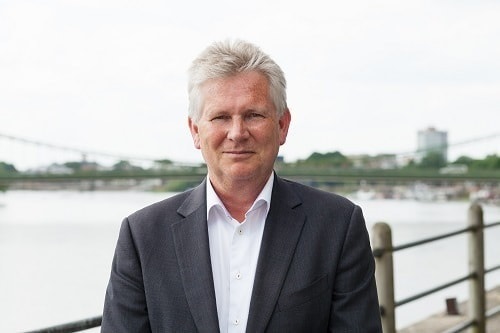
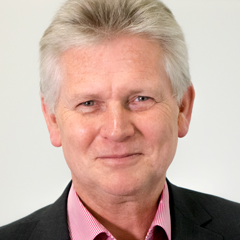 Mike Robinson is chief executive of British Safety Council. Photograph: British Safety Council
It continued that “it can quickly overtake our thoughts, resulting in overwhelming negativity, irritability, and pessimism. The things at work that once brought us energy and joy now seem lacklustre or insurmountably difficult, and relationships can sour as we become withdrawn, distrustful, or even… uncharacteristically combative.”
Cynicism spreads through teams, infecting people with a kind of “emotional contagion”. It often results in burnout, which in turn leads to people either underperforming or simply leaving.
Returning to the state of our nation, consider how many MPs have said they will not be standing at the next election. One even recently said it wasn’t the idea of losing that was motivating him to stand down, but of winning!
If our political representatives are finding that managing, mending and improving the system is simply too much of an uphill struggle, where does that leave the rest of us? It all adds to the sense that things have become too difficult, too broken, and out of our control.
Research recently undertaken by More in Common with Unchecked looked at how people feel about our regulations. Would they like the rules to be relaxed, as we are often told by politicians is the case, or do they prefer stronger protections on issues from work and health to the environment?
Interestingly, people in the focus groups, which the researchers held in constituencies with more ‘swing’ or undecided voters around England, were not particularly in favour of ditching or even watering down regulation. Indeed, what people wanted most was to see “tougher penalties for companies who break rules and regulations”.
And while many people still saw the UK as a world leader in regulations and standards, “trust in the fact that there are systems in place to keep checks on abuse and to enforce the rules fairly has been eroded”, according to the report.
Let’s take health and safety as an example of why this might be happening. Writing in last month’s Safety Management, Mike Clancy, general secretary of Prospect union, wrote that: “Years of underfunding, overwork and underpay at Britain’s principal workplace safety regulator (HSE) have created a capacity, staffing and skills crisis that threatens its ability to keep people safe at work.”
Mike pointed out that, since 2010, HSE has undergone cuts to its core funding of around 45 per cent in cash terms – from £228 million in 2010 to £126 million in 2019. More recently, it rose again to £185 million last year, but is still significantly down on a decade or so ago.
With pressure on the regulator from its parent department, DWP, to broaden out and support wider wellbeing at work, as well as calls on it to investigate suicides following the tragic death of headteacher Ruth Perry, plus the need to regulate and manage future risks from climate change, AI and the changing nature of work – it is hard to see how the HSE can continue doing its day job of tackling deaths and injuries in work without better funding, let alone these new roles.
Am I being cynical, or simply realistic? You tell me!
OPINION

Rethinking homes as centres of economic activity (amongst other things)
By Andy Lake, Flexibility.co.uk on 08 October 2026
The decentralisation of work away from fixed workplaces, the rise of AI and demographic changes are creating new opportunities for people to carry out ‘hands-on’ work in the home, such as production of fashion, textiles, food and drink, and delivery of health services and therapies. However, our existing housing stock is not designed to accommodate such functions, so it’s essential that future town planning creates homes that support different kinds of enterprise, both to support business success and the wellbeing of these new home-based workers.
Learning that saves lives
By Mike Robinson, chief executive, British Safety Council on 11 September 2026
Success can sometimes be a problem. The better we become at preventing incidents, the harder it can be to see what is actually preventing them.

Migraine in work: a test of the Government’s plans to Keep Britain Working
By Rob Music, The Migraine Trust on 07 September 2026
Migraine can have a profound, and often avoidable, impact on people’s working lives and careers. The Government’s growing focus on workplace health offers an important opportunity to change this, but only if this common, often disabling and frequently invisible neurological condition is properly understood and addressed by Government, the NHS and employers.