
Fresh air has never been so important as during the coronavirus pandemic. Even as lockdown restrictions ease, we know that meeting up outdoors – where possible – will reduce transmission of the virus.
Opinion
Tougher legal targets needed to tackle air pollution
By
on 22 June 2021
Over the last year many of us have been lucky enough to be able to reconnect with nature, walking and cycling more. Yet despite the vast – and commendable – efforts made by experts to communicate health risks over the past year, public health policy continues to under-emphasise the threat posed every day by the very air we breathe.
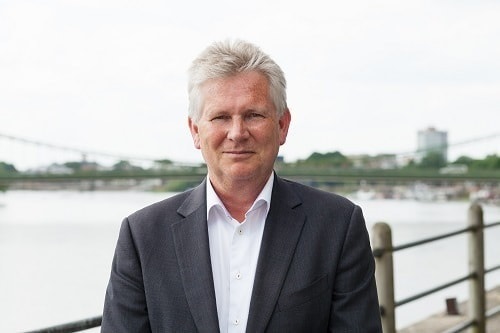
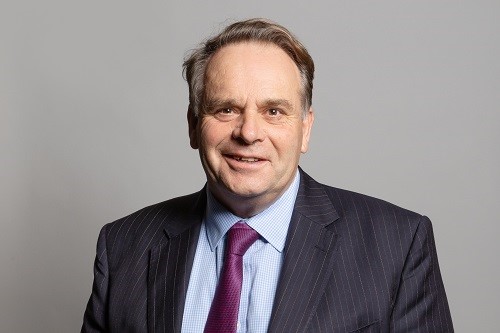 Neil Parish MP: "The targets currently in law are not fit for purpose, ignoring the maximum pollution levels specified by the World Health Organization."
Each year, it is estimated that 64,000 people die as a result of poor air quality. Often, they are the most vulnerable in our society, living in disadvantaged communities. Those who are the most exposed to pollution because of where they live or work face worse health outcomes over their lifetimes. This is a completely avoidable public health crisis.
Last year, the House of Commons’ Environment, Food and Rural Affairs Committee, which I chair, undertook an inquiry into this pressing problem. It was clear to us that 2020’s spring lockdown offered a glimpse of a greener, cleaner future, as traffic levels dwindled.
The pandemic also highlighted the stark health inequalities that exist within our society, especially when it comes to air quality, something that our report showed us had existed long before Covid-19 shed new light on it.
In February this year, we published a new Air Quality report which called on the government to act. The sooner it does so, the more people, including those exposed to air pollution through their employment, can be spared the effects of poor air quality. Foremost among our recommendations was the demand for the government to introduce more stringent targets on levels of pollutants in the air we breathe.
The targets currently in law are not fit for purpose, ignoring the maximum pollution levels specified by the World Health Organization (WHO) and identifying only some of the most dangerous pollutants.
We asked for the Environment Bill – which returned to the House of Commons last month – to be amended. To properly address the crisis facing public health, the Bill must include a specific target to reduce levels of fine particulate matter (PM2.5) in line with WHO guidelines.
Long-term targets for other key pollutants, including nitrogen dioxide (NO2) and ammonia, must also be set. Despite this, the government’s disappointing response to our report has ignored these calls.
We can all do our bit to improve air quality, but we will need resources to achieve this. For some, especially those whose jobs stipulate outdoor work in polluted areas, the reduction of emissions by cars and other vehicles is key.
Cutting down on trips by car is only achievable if sufficient public transport and active transport alternatives are provided, which is why we urged the government to fund a public communications campaign to get people back on buses and trains, something many are understandably more nervous about since the pandemic’s outbreak.
Last year, we welcomed the appointment of Dame Glenys Stacey as head of the new environmental watchdog, the Office of Environmental Protection (OEP), but the government’s recent response to our report raised fresh concerns that the OEP may lack teeth.
The government was quick to assure our committee that the OEP would have sufficient authority, but how can it realistically sanction law-breakers without clear legal targets to hold them to? The OEP needs meaningful benchmarks to hold the government to account against – and that means stringent targets, set in law.
This government has shown us that it has ambition – its targets on tackling carbon emissions show us that much, as does its full-steam-ahead approach to vaccine rollout. But it is utterly failing to demonstrate the same level of ambition on improving air quality, despite the clear and impending public health risk. The problem will get worse if the government ignores its urgency.
Neil Parish is MP for Tiverton and Honiton
OPINION
Learning that saves lives
By Mike Robinson, chief executive, British Safety Council on 11 September 2026
Success can sometimes be a problem. The better we become at preventing incidents, the harder it can be to see what is actually preventing them.
Migraine in work: a test of the Government’s plans to Keep Britain Working
By Rob Music, The Migraine Trust on 07 September 2026
Migraine can have a profound, and often avoidable, impact on people’s working lives and careers. The Government’s growing focus on workplace health offers an important opportunity to change this, but only if this common, often disabling and frequently invisible neurological condition is properly understood and addressed by Government, the NHS and employers.
Noise risk and multi-track enforcement: what EHS managers need to know
By Emma Tattersdill, Bexley Beaumont law firm on 17 August 2026
Noise nuisance from an industrial or commercial site can result in costly and time-consuming legal action from regulators and neighbours, but there are practical ways of ensuring noise levels do not exceed acceptable limits and trigger complaints from nearby businesses and residents.