Work at height

    MEWP Safety Day 1 600 Min

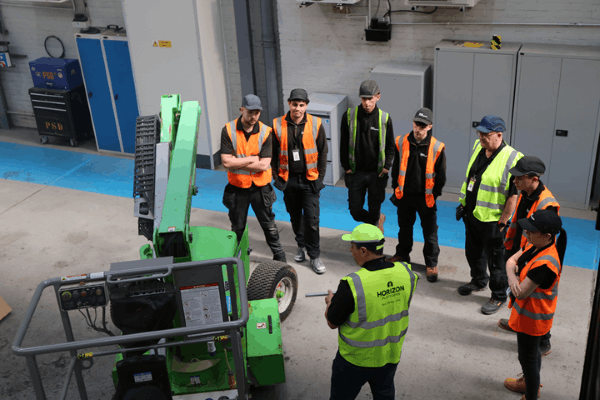
    Why paperwork alone isn’t sufficient MEWP rescue preparation

    A recent safety awareness day has highlighted the importance of contractors regularly practising emergency rescue from mobile elevating work platforms, rather than relying on one-off training sessions and paper procedures that are not always easy to follow during a fast-moving incident.

    By Ben Hughes, Horizon Platforms on 22 September 2026
    Jlgpowertowers Nano30cs 600 Min

    Why the future of low-level access starts with rethinking old habits

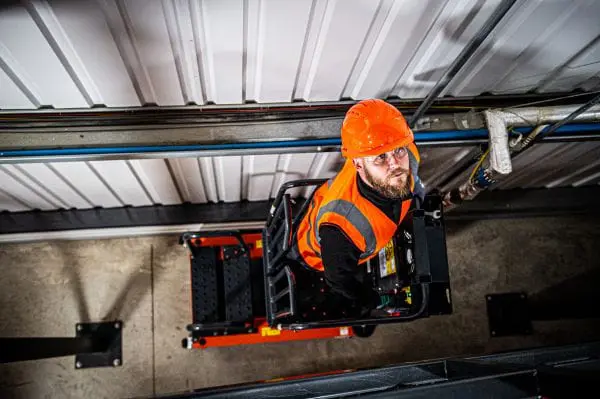
    Low-level access equipment like powered lifts can help make work at height safer by providing a secure, enclosed working platform, but they can also bring other benefits, such as avoiding the need for awkward stretching to reach work areas, which helps to prevent musculoskeletal injuries.

    By Samuel Butterworth, JLG Power Towers on 22 September 2026

    Toeboards 600 Min

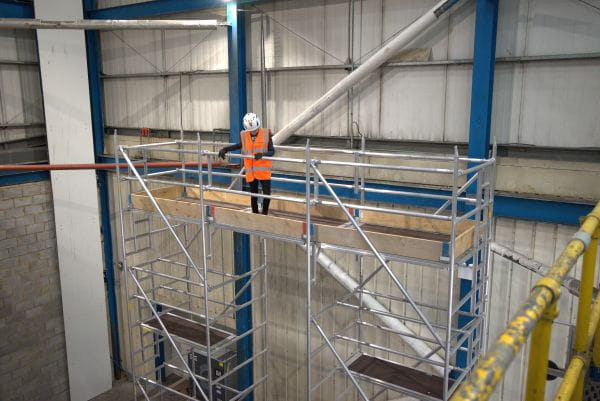
    What people get wrong about towers

    Over the years, the tower industry has made huge strides in improving safety. The introduction of design standards for equipment, structured training and clearer guidance have helped make towers a safe and widely used way to work at height. Yet some misconceptions still persist. They may seem harmless, but they can lead to poor decisions and unsafe practices if left unchallenged. Here, PASMA examines five common tower myths and explains the reality behind them.

    By Don Aers, PASMA on 21 September 2026

    Little Giant 8 Tread Safety Cage 05 600 Min (1)

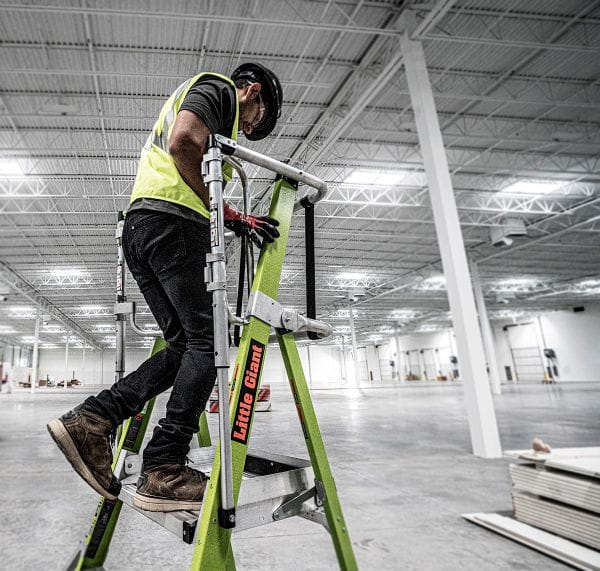
    Why training alone won’t fix the fall-from-height plateau

    People working at height may be tempted to take shortcuts that can put them in serious danger, so it’s essential to choose access equipment that makes it easier and quicker to complete the task safely, rather than relying on workers to follow instructions from one-off training sessions.

    By Francis Camilleri, TB Davies on 21 September 2026

    Istock 931051580 Credit Sturti 600 Wide Min

    What half a century of data has taught us about preventing falls in scaffolding operations

    Decades of effort by the NASC and its member contractors have succeeded in driving down scaffolding accidents, but it’s essential that businesses hiring scaffold contractors only select those who work in accordance with NASC’s official guidelines if these safety improvements are to be sustained in the long-term.

    By NASC (National Access & Scaffolding Confederation) on 11 September 2026

    Istock 667878716 Credit Charliechesvick 600 Min

    Falls from height: progress made, but risks remain

    Despite the UK having one of the best health and safety records in the world, falls from height remain the leading cause of workplace deaths in the nation. Although improvements in training, equipment and ongoing educational campaigns have helped to drive down the number of fall injuries in recent years, further work is required to ensure these efforts translate into continuous reductions in the accident rate.

    By Orchie Bandyopadhyay on 08 September 2026

    Istock Work At Height MED Credit Shinyfamily

    Britain records lowest ever annual worker fatalities, HSE statistics show

    HSE’s annual work-related fatalities statistics for Great Britain today reveal that 126 workers lost their lives in work-related incidents in 2025/26.

    By Belinda Liversedge on 01 July 2026

    Nationwide Platforms’ Intelligent Anchor Point, Harness ON Min

    How intelligent systems are preventing falls from height

    The powered height access equipment sector is increasingly developing intelligent technological solutions to prevent operators from acting in an unsafe manner and alert others to dangerous situations – and major contractors are now driving their take-up by mandating their adoption on sites.

    By Paul Rankin, Nationwide Platforms on 27 May 2025

    Stop Overturns Website Header

    Beyond compliance: why powered access safety should be a culture, not a checklist

    Powered access equipment is widely regarded as one of the safest methods for enabling work at height, but like any equipment, there is always scope for further improvements in its safe use. As a result, the industry’s trade body, the International Powered Access Federation, uses global campaigns, training, research and online incident reporting to encourage a culture where users of powered access are genuinely committed to safe working practices.

    By Brian Parker, IPAF on 30 April 2025

    Operatives Checking A Tower Photo Credit Craig Gorton 1

    Get them inspected

    Mobile access towers are a common type of work at height equipment, but it’s essential they are regularly and properly inspected to ensure they are safe to use.

    By Don Aers, PASMA on 22 February 2023