


Heat stress, PPE compliance and the science of comfort
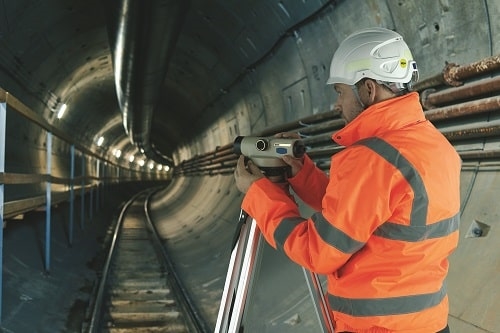
PPE designed to protect against hazards like chemicals can contribute to an increase in body heat and humidity inside the clothing, placing the wearer at increased risk of heat stress. However, advances in materials science, physiological modelling and testing methodologies mean employers can now make more informed decisions about how effectively protective garments support heat dissipation and moisture management – in turn potentially boosting PPE wear rates and wearer acceptance.
By Chloé Caux-Wetherell and Aldjia Begriche, DuPont Personal Protection on 30 July 2026