

Female workers report significantly higher rates of stress compared to their male colleagues, HSE statistics show.
News
Work more likely to impact on mental health for female workers, HSE stats suggest
By
on 03 December 2025
Women are 25 per cent more likely to say their job impacts on their mental health, according to the statistics HSE released last month as part of its annual reporting.
In the report for work related stress, depression or anxiety, it shows that in 2024/5, there were 3,220 cases of mental ill health per 100,000 female workers, compared to 2,580 per 100,000 for male workers.
From the age of 25, stress appears and continues throughout a woman’s working life, says HSE, with pressure peaking for those aged 25–34 and remaining high at 35–44 years, ages when many women are juggling family responsibilities, such as caring for children and elderly parents.
 Women are 25 per cent more likely to say their job impacts on their mental health, according to the statistics HSE released last month. Photograph: iStock
The disparity takes place against a backdrop of record levels of poor mental health across the general working population.
Indeed, levels have accelerated since the pandemic and grown to their highest levels since records began twenty-five years ago.
Last year, nearly one million, or 964,000 workers suffered from work-related stress, depression or anxiety.
This represents 2,770 cases per 100,000 workers, a doubling since annual records began in 2001/02, when there were around 1,380 cases per 100,000 workers.
Doctors and other health professionals, teachers and health and social care workers are all in the top three groups for having statistically higher rates of work-related mental ill health than the all-industry average.
The main causes are workload, particularly regarding tight deadlines, too much work or too much pressure or responsibility.
Other factors identified by HSE included a ‘lack of managerial support’, violence and bullying, organisational changes at work and role uncertainty, or not being clear about job purpose and responsibilities.
Commenting on the annual statistics for ill health and injuries that were released for Britain, HSE chief executive Sarah Albon said: “Great Britain maintains its position as one of the safest places to work globally, built on more than 50 years of health and safety regulation. However, these statistics demonstrate that workplace health challenges persist, particularly around mental health.”
“We remain firmly committed to protecting people and places, supporting businesses to create healthier working environments, and ensuring continuous improvement in workplace safety standards across Britain,” she added.
HSE's work related stress, depression or anxiety statistics in Great Britain here
NEWS
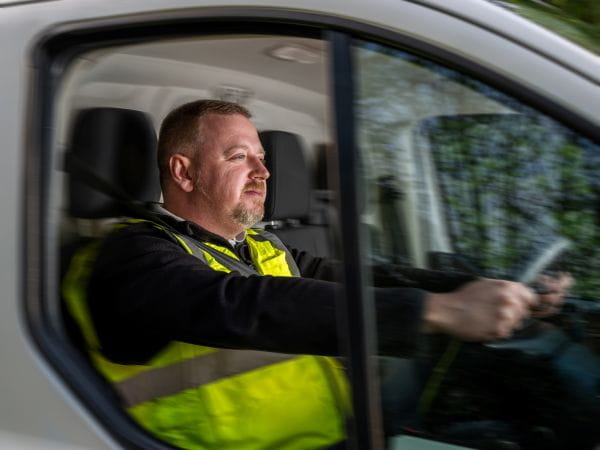
Scheme to recognise commitment to transport staff wellbeing launched by Road Haulage Association
By Orchie Bandyopadhyay on 01 October 2026
A new Wellbeing Recognition Scheme designed to allow organisations across the HGV, coach and van sectors to demonstrate their commitment to improving the health, wellbeing and resilience of the industry’s workforce has been launched by the Road Haulage Association (RHA).
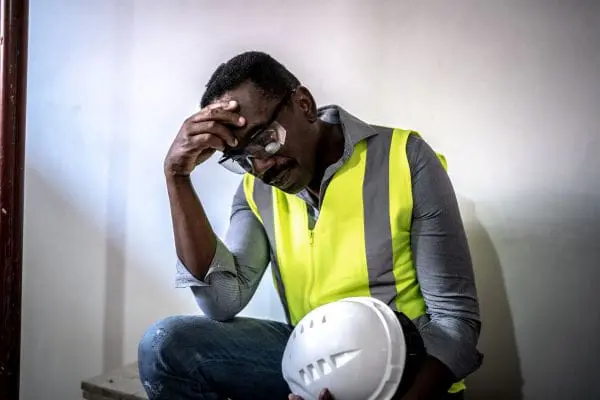
Cost-of-living pressure is cutting into UK workers’ productivity, says report
By Orchie Bandyopadhyay on 04 October 2026
The cost of living is the single largest financial stressor for 62% of UK workers, far outweighing concerns about retirement savings (12%) and building emergency funds (8%), a new study has revealed. Sixty-two per cent of workers admit they do not fully understand the workplace retirement plan they pay into each month, according to TELUS Health’s Q2 2026 TELUS Mental Health Index.

Employers must meet staff to discuss flexible working requests, says first secretary of state
By Orchie Bandyopadhyay on 01 October 2026
Bosses must meet with employees who request flexible working and explain their reasons for any refusals, said Louise Haigh, first secretary of state, in a speech to the Trades Union Congress (TUC) in Brighton on 15 September.