

A new single state enforcement agency for employment rights is due to start operating in April next year, the government has announced.
News
Risk of breaching rules to increase under new employment rights watchdog
By
on 08 July 2025
The Fair Work Agency (FWA) will bring together existing state enforcement functions, including of forced labour and worker exploitation, and take on enforcement of a wider range of employment rights.
It should be on employers’ radars, said Colin Leckey, Partner at Lewis Silkin who spoke on the law firm’s Work Agenda podcast. “[The FWA] is one of the parts of the Bill that hasn’t really made all that many headlines yet. But it’s going to create some major new enforcement powers and plenty of employers are going to need to get to grips with this.”
The FWA will be a “single place where workers and employers can turn for help,” explains a factsheet released as part of plans unveiled under the Employment Rights Bill.
It will streamline and simplify enforcement, which is currently “fragmented and inefficient,” it says.
The FWA is expected to take on both the most serious cases – investigating reports of worker exploitation, human trafficking and forced labour – and non-compliance of lesser offences such as non-payment of holiday pay and sick pay.
 The Fair Work Agency will have powers to inspect workplaces and require employers to produce evidence to demonstrate compliance with employment law. Photograph: iStock
Risk of breaching rules on holiday and sick pay to increase
“While we'd expect the Agency to prioritise targeting employers they think are deliberately exploiting workers, the risk of breaching the rules is still going to increase for everyone,” said Leckey.
For example, there will be a new criminal offence of failure to keep holiday records showing compliance, which could lead, he said to “potentially unlimited fines”.
“Employers should definitely review their current approach to holiday pay and calculating it, and if you're not comfortable that you're fully compliant at the moment, now might be the time to do something about that,” he explained.
Clamping down on labour exploitation
The FWA will effectively abolish the Gangmasters and Labour Abuse Authority (GLAA), although its work will continue under the new agency.
The GLAA has been responsible for clamping down on forced labour, modern slavery and labour exploitation. Last year, it focused on exploitation in the care sector, after nearly a third (31 per cent) of all reports it received in early 2024 were in care.
Issues it investigated included not being properly paid, living in conditions that are unsuitable while being charged high fees for accommodation and in some cases being offered no work having paid, in some cases, up to £20,000 to exploiters.
The FWA will have powers to inspect workplaces and require employers to produce relevant documents and evidence to demonstrate compliance with employment law.
The FWA will take a balanced approach to upholding workers’ rights, says the government and provide better support to businesses on how to comply with the law as well as take tough action against rogue employers who exploit their workers.
Phased approach
The plans were announced as part of the government’s timelines – called the Implementation Roadmap – for launching aspects of the Employment Rights Bill.
It also sets out the timelines for consultations on changes to areas like parental and adoption leave, bereavement leave and flexible working.
Business Secretary Jonathan Reynolds said: “Since the beginning, we have been working with businesses big and small to ensure this Bill works for them, and this roadmap will now give them the clarity and certainty they need to plan, invest and grow.
“By phasing implementation, our collaborative approach balances meaningful worker protections with the practical realities of running a successful business, creating more productive workplaces where both employees and employers can thrive.”

NEWS
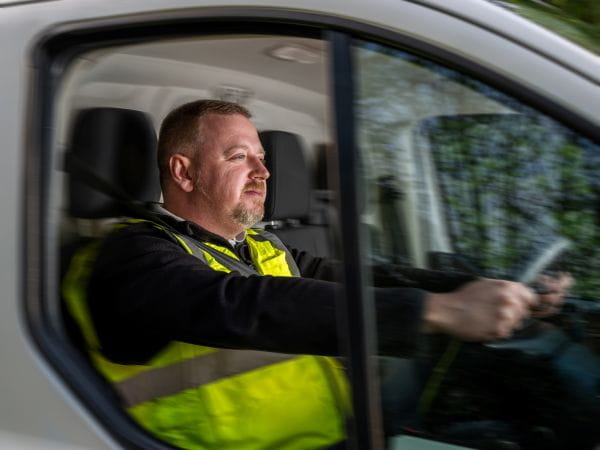
Scheme to recognise commitment to transport staff wellbeing launched by Road Haulage Association
By Orchie Bandyopadhyay on 01 October 2026
A new Wellbeing Recognition Scheme designed to allow organisations across the HGV, coach and van sectors to demonstrate their commitment to improving the health, wellbeing and resilience of the industry’s workforce has been launched by the Road Haulage Association (RHA).

Cost-of-living pressure is cutting into UK workers’ productivity, says report
By Orchie Bandyopadhyay on 04 October 2026
The cost of living is the single largest financial stressor for 62% of UK workers, far outweighing concerns about retirement savings (12%) and building emergency funds (8%), a new study has revealed. Sixty-two per cent of workers admit they do not fully understand the workplace retirement plan they pay into each month, according to TELUS Health’s Q2 2026 TELUS Mental Health Index.

Employers must meet staff to discuss flexible working requests, says first secretary of state
By Orchie Bandyopadhyay on 01 October 2026
Bosses must meet with employees who request flexible working and explain their reasons for any refusals, said Louise Haigh, first secretary of state, in a speech to the Trades Union Congress (TUC) in Brighton on 15 September.