

We now know the real extent of the rise we can expect in energy prices this autumn. An 80 per cent increase. Just take that in for a moment.
Opinion
How can we avoid this being a winter of discontent?
By
on 12 September 2022
We also know this is fuelled by the soaring wholesale cost of gas, which in turn has been driven up by the invasion of Ukraine by Putin’s regime.
But inflation was rising before the war, due to the pandemic. And what can we, here in the UK, do about it? Should we simply shrug our shoulders, while turning down the thermostat?
As employers, where do our responsibilities begin and end?
If, at least in the short-term, we are unable to prevent it, how do we deal with the consequences when the repercussions for workers are being felt in very different ways?
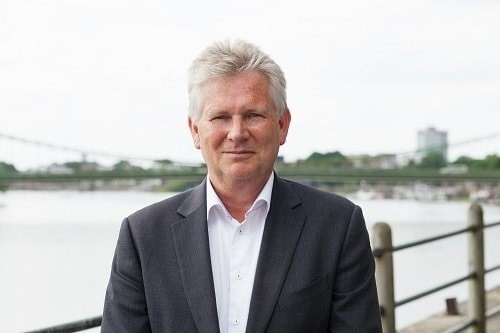 Mike Robinson: "Employers must consider how they make sure they have the skills, people and resources in place to prosper when we come out the other side."
Some items like food (especially meat, dairy and grains) are rising especially sharply, and some sectors (heavy industry but also bakeries and laundries) are shelling out huge amounts for energy.
Undoubtedly, some businesses will go to the wall in the coming months, some will find it hard to meet their costs and won’t be able to keep wages anywhere close to inflation.
In some sectors, the health and safety profession for one, demand for skills is now so high – driven by large infrastructure projects and post-Covid pressures – that pay is rising by as much as 20 per cent in London and 16 per cent elsewhere in the country.
Not everyone will be so blessed. And as we enter the autumn and winter, our attention must surely turn to those most at risk. But such a large rise in energy costs will mean that millions find themselves in fuel ‘stress’, if not in fuel poverty.
And this will have a big impact on people’s financial as well as personal wellbeing – with all this means for their ability to stay healthy, safe and happy – both at work and at home.
I signed a letter with 40 other organisations to the two Tory party leadership candidates, sent from Unchecked UK, shortly before the outcome of the vote was known. We called on both potential Prime Ministers not to abandon standards, protections and common-sense regulations that have strong support from ‘Red’ and ‘Blue’ wall voters alike.
The letter, which was published in the Guardian, sent the strong message that not only should the UK continue to be a world leader through its public health, environmental and food standards, animal welfare, worker and consumer safety, it must not let high standards become the preserve of only those who can afford them.
Accepting lower living standards or poorer working conditions won’t solve the problems that we face. Indeed, now is not the time for our leaders to scrap so-called ‘red-tape’ or ‘bureaucratic burdens’, just when people need these protections and support most.
It is this last point which resonates so strongly during this energy crisis.
Government must surely step up and offer emergency help. But as employers we also have a role to play. Our staff will need help to navigate the choppy financial waters ahead.
Clearly, pay is one issue, but how they manage their money, plan ahead, and being aware of the support that is on offer are other ways that businesses can help promote financial wellbeing.
Beyond this, employers must consider how they make sure they have the skills, people and resources in place to prosper when we come out the other side.
We are living through a summer of strikes and industrial unrest. Only by working with staff to discuss and support them through these increasingly tough economic conditions can we hope to avoid a winter of discontent.
Mike Robinson FCA is Chief executive of the British Safety Council

OPINION

Building a future worth working in
By Mike Robinson FCA, British Safety Council CEO on 12 October 2026
It’s easy to become myopic about the future of work. Take a quick look at the world today and the signs can seem discouraging: political instability, economic volatility, the accelerating disruption posed by AI and climate change. Together, these factors paint a picture of uncertainty that can make our belief in progress seem naïve and tempt us into believing that the future can be no better than the past, that our best days are now behind us. That would be a profound failure of imagination.

Rethinking homes as centres of economic activity (amongst other things)
By Andy Lake, Flexibility.co.uk on 08 October 2026
The decentralisation of work away from fixed workplaces, the rise of AI and demographic changes are creating new opportunities for people to carry out ‘hands-on’ work in the home, such as production of fashion, textiles, food and drink, and delivery of health services and therapies. However, our existing housing stock is not designed to accommodate such functions, so it’s essential that future town planning creates homes that support different kinds of enterprise, both to support business success and the wellbeing of these new home-based workers.
Learning that saves lives
By Mike Robinson, chief executive, British Safety Council on 11 September 2026
Success can sometimes be a problem. The better we become at preventing incidents, the harder it can be to see what is actually preventing them.